
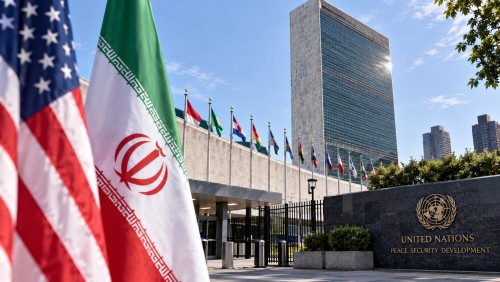
The United States will allow senior Iranian officials, including President Masoud Pezeshkian and Foreign Minister Abbas Araqchi, to attend the United Nations General Assembly in New York next week, despite ongoing tensions between Washington and Tehran. This decision aligns with the U.S.’s obligations as the host nation of the UN, according to the State Department.
The Iranian officials will be subject to travel restrictions within the U.S., which have historically limited their movements to specific locations such as the UN headquarters, Iran’s UN mission, and the residence of its ambassador. These measures reflect ongoing diplomatic friction, which has persisted since hostilities escalated following U.S. and Israeli strikes on Iran earlier this year, prompting retaliatory attacks by Tehran against Israel and Gulf states with U.S. military bases.
Under the 1947 UN headquarters agreement, the U.S. is generally required to permit foreign diplomats access to the United Nations, although there are exceptions based on security, terrorism, or foreign policy considerations. The decision to grant visas to the Iranian delegation comes amid intermittent diplomatic efforts to resolve the conflict, which began on February 28.
In contrast, U.S. authorities have opted to deny entry to Palestinian officials, including President Mahmoud Abbas, for the assembly, marking a clear delineation in its diplomatic stance toward different conflict regions in the Middle East.