
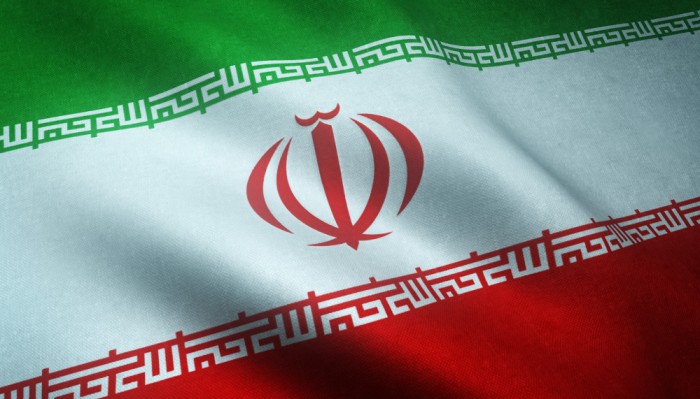
Iran has issued a warning that it may halt peace talks with the United States, accusing Israel of breaching a ceasefire deal through military actions in Lebanon. Iranian Foreign Minister Abbas Araghchi emphasized that the ceasefire is applicable on all fronts, including Lebanon, and any breach would be viewed as a violation of the entire agreement. Tehran holds both Israel and the United States accountable for any repercussions arising from renewed hostilities.
In light of Iran’s stance, U.S. President Donald Trump mentioned that Washington had not received formal notification from Tehran about the suspension of talks. However, he indicated that a pause in negotiations might be acceptable. Trump assured that the U.S. would continue its blockade of Iranian ports while refraining from immediate military escalation. Efforts to sustain the ceasefire are ongoing, with Trump engaging in discussions with Israeli Prime Minister Benjamin Netanyahu and mediators linked to Hezbollah.
Lebanon later announced that Israel and Hezbollah had agreed to a mutual cessation of attacks, including those on Beirut’s southern suburbs. Nonetheless, Netanyahu cautioned that Israel would persist in targeting Hezbollah if attacks on Israeli civilians did not cease. The situation intensified as Israel issued evacuation warnings for parts of Beirut, prompting Iran to caution that significant Israeli aggression in the Lebanese capital or its southern suburbs would lead to retaliatory strikes on targets within Israel.
Iranian officials have also accused the United States of not fulfilling ceasefire commitments, pointing to ongoing economic pressure and military actions. Tehran has expressed that future negotiations, including those concerning its nuclear program, will remain suspended until broader security issues are resolved. This escalation in tensions has added to regional uncertainty and has put renewed pressure on global oil markets.