
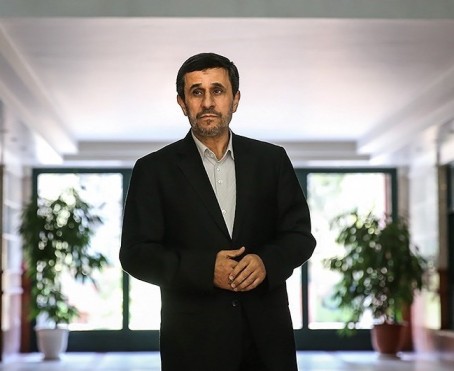
Recent claims have reignited discussions about the US and Israel’s strategy to destabilize Iran’s government, focusing on an alleged Israeli plot to elevate Mahmoud Ahmadinejad to power. Ahmadinejad, who was Iran’s president from 2005 to 2013, was known for his harsh rhetoric against Israel. However, after a fallout with Supreme Leader Ali Khamenei, he rebranded himself as a regime critic and a champion for the impoverished. Reports suggest Israel targeted a security building near Ahmadinejad’s home in Tehran to facilitate his escape from house arrest, although he reportedly became apprehensive about the plan.
The reported scheme, which has been met with skepticism and viewed by many as potentially deceptive propaganda from either Ahmadinejad’s backers or Israeli intelligence, highlights a significant miscalculation by the US and Israel. They overestimated both the internal opposition to Iran’s regime and their capability to topple it through military strikes. Meanwhile, with domestic pressure mounting over rising gas prices, then-President Donald Trump looked to distance himself from the conflict, though he contemplated further airstrikes to press Tehran into meeting US demands.
Trump announced a pause in his plans for a renewed offensive, citing advice from Gulf leaders. However, he later engaged in a lengthy conversation with then-Israeli Prime Minister Benjamin Netanyahu about possibly resuming hostilities. On the prospect of restraining Israel from attacking Iran, Trump remarked, “Netanyahu will do whatever I want him to do. He’s a great guy, To me he is a great guy.” He expressed his desire for the strategic Strait of Hormuz to reopen but claimed he felt no rush, dismissing suggestions that the upcoming midterm elections pressured him into action.
The Iranian government, which views its economic leverage over the West as strengthening, balks at US demands to halt uranium enrichment activities. Instead, Iran seeks to shift discussions towards lifting sanctions in exchange for ending its blockade of the Strait of Hormuz. In retaliation, the US has initiated a counter-blockade to impede Iran’s oil exports, primarily bound for China. The Islamic Revolutionary Guard Corps has warned of escalating the conflict beyond the region should Trump resume airstrikes.
Iranian media have treated the alleged plot with suspicion, denying Ahmadinejad was ever under house arrest. During the initial Israeli attacks in Tehran, rumors circulated that Ahmadinejad had been killed, though it was later confirmed that a nearby security outpost was struck, resulting in his minor injuries and the death of his bodyguards. Despite the speculation, Ahmadinejad, known for his Holocaust denial and anti-Israeli stance, would be an improbable ally for Netanyahu. His relationship with Iran’s leadership further complicates any potential collaboration, as his authority waned following disputes with Khamenei and subsequent political setbacks. Ahmadinejad, who has been barred from running for presidency again, has mostly stayed silent, only mildly criticizing Israel’s actions in 2025. His recent visit to Hungary, a rare foreign trip since his presidency, underscores a shift in his views and alliances.