
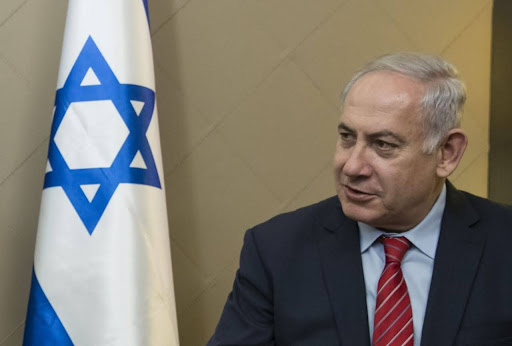
Israeli Prime Minister Benjamin Netanyahu pushed back hard against media narratives on Friday, calling reports of Israel dragging the United States into war with Iran entirely fabricated. Standing at a press conference podium, he also announced that Iran has lost its capacity to enrich uranium and manufacture ballistic missiles following three weeks of intensive military operations. Netanyahu described the conflict as going better than most observers realized and said its end might arrive sooner than expected.
Netanyahu devoted a significant portion of his remarks to the nature of the Trump-Israel alliance. He described the coordination between himself and Trump as unparalleled, while pushing back on any suggestion that Israel had led America into the conflict. Netanyahu said Trump’s grasp of the Iranian nuclear threat was not something that needed to be explained by Israeli officials, pointing out that Trump had in fact offered insights that sharpened Netanyahu’s own thinking.
The revelation of Israel’s unilateral strike on the massive South Pars gas compound was a centerpiece of the briefing. Netanyahu confirmed the operation was carried out by Israel alone, without direct American participation. He also disclosed that Trump had communicated a request to hold off on further strikes against Iranian gas infrastructure, presenting the exchange as routine cooperation between trusted partners.
Iran’s threats to close the Strait of Hormuz were met with resolute dismissal from Netanyahu. He called the threats blackmail aimed at the global community and said flatly that they would not work. As an alternative, he proposed pipeline corridors across the Arabian Peninsula connecting to Israeli and Mediterranean ports, a vision he linked to broader post-conflict regional development.
Netanyahu concluded with an assessment of Iran’s internal state, describing growing cracks in the country’s new leadership structure. He noted that Iran’s expected new supreme leader had not made a single public appearance during the war, and expressed uncertainty about who was actually in command. These signs of internal discord, Netanyahu argued, reinforced his belief that the conflict was heading toward a resolution faster than anyone predicted.