Historians of the global economy may look back on this week as the moment the economic outlook fundamentally shifted. The Iran conflict, which began with air strikes on the night of February 28, has in the space of just days driven oil prices from $72.50 to $91.89 per barrel, triggered a European gas price surge to three-year highs, collapsed interest rate cut expectations in both the UK and eurozone, and sent stock markets to their worst weekly performance in years.
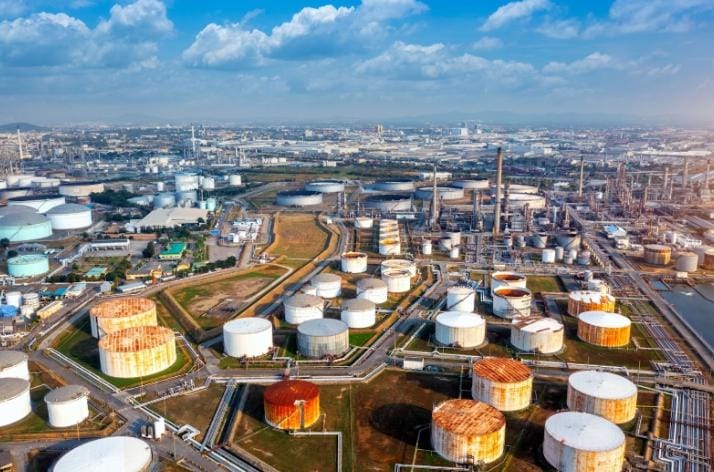
The oil price move — more than 25% in a single week, the biggest since the early Covid-19 pandemic — has been driven by a combination of forces that are each severe in their own right and collectively extraordinary. Direct supply disruption from the Strait of Hormuz standoff has been amplified by a storage crisis in the Gulf, with Kuwait already cutting production and Saudi Arabia and the UAE expected to face the same situation within 20 days.
Qatar’s LNG disruption has added a parallel energy shock. As one of the world’s largest LNG exporters, Qatar’s supply difficulties have immediate consequences for European and Asian energy markets. The country’s energy minister has warned that a recovery could take weeks or months, and that continued conflict could push all Gulf exporters to halt production, driving oil to $150 a barrel.
The financial market response has been stark. UK bond yields hit their highest levels since the 2022 mini-budget crisis. Eurozone bond yields recorded their biggest weekly jump in over a year. UK interest rate cut expectations fell from 80% to 15% in a matter of days. Stock markets across Asia, Europe, and the UK fell more than 5%. Airlines suffered the biggest corporate losses, with IAG down 12% and Wizz Air losing nearly a fifth of its value.
What makes this week’s events particularly alarming is the combination of speed and scale. Oil price shocks of this magnitude typically develop over months; this one happened in days. Inflation forecasts are being revised upward in real time. Central bank policy paths are being reassessed. Investment strategies are being overhauled. The Iran conflict has, in the space of a single extraordinary week, changed the economic outlook for the world.