
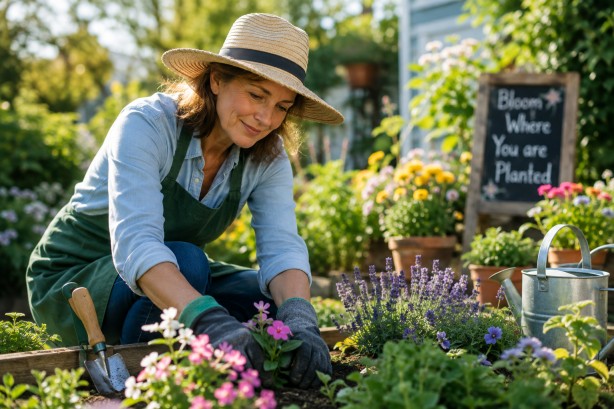
Gardening is often cherished as a tranquil pastime, but its advantages extend well beyond creating an aesthetically pleasing garden. This activity merges physical exertion, outdoor exposure, sensory engagement, and a connection with nature, all contributing to enhanced overall health. Numerous studies have identified links between gardening and multiple physical and mental health benefits, underscoring its potential to support a healthier lifestyle.
The cognitive benefits of gardening are significant. The activity demands physical movement, strategic planning, and engages various senses. Tasks such as selecting plants, adhering to care routines, and handling soil offer continuous mental stimulation. Research indicates that regular gardening might bolster cognitive function by combining physical activity with mental engagement and mood enhancement.
Gardening is also known to alleviate stress. Being surrounded by greenery can create a soothing atmosphere, potentially easing stress levels. Activities like watering, pruning, planting, or simply enjoying nature provide a needed escape from everyday stressors. Reduced stress is linked to overall better health, suggesting that gardening could be a valuable component of a balanced lifestyle.
In addition to mental benefits, gardening promotes physical activity. It provides a practical means to incorporate more movement into daily routines. Tasks such as digging, planting, watering, and carrying involve various muscle groups, enhancing daily physical activity. For those with sedentary lifestyles, gardening presents an accessible way to become more active while engaging in a fulfilling task.
Spending time in the garden naturally encourages outdoor exposure, leading to increased sunlight exposure. Sunlight is crucial for vitamin D production, which is vital for bone health, immune function, and general well-being. However, it is important to balance sunlight exposure with adequate skin protection, particularly during intense sunlight periods. The combination of physical activity, reduced stress, and outdoor time may promote long-term health, potentially benefiting cardiovascular health and reducing risks linked to lifestyle-related conditions. While gardening alone cannot ensure longevity, it can be an integral part of an active and well-rounded lifestyle, supporting healthier aging. Importantly, gardening can be practiced by anyone, regardless of space or expertise, making it a simple yet effective way to incorporate physical activity, outdoor enjoyment, and mental relaxation into everyday life.